
No matter how I many times I decide to take a break from books set during wartime, I find myself reading yet another. Maybe it’s the plethora of books being published now that highlight personal stories of heroism in dire times.
This one interested me because aside from setting and plot, it is also highlights the class system of Edwardian England with the perspective it gives you. My takeaway— the more things seem to change, the more they stay the same. The focus here is about love, sacrifice, avarice and family disharmony during wartime.
This novel is the second in the Hearts of Glass series that I assume will continue. I did not read the first one, The Artist’s Apprentice, but The Artist’s Wife easily stands on its own.
World War I is beginning, Britain is wholly unprepared for war and what its threat means, and the fabric of Edwardian society is unraveling. The title reflects women’s standing. True, the protagonist Alice was married to an artist with whom she apprenticed, but she was the creative force of the duo.
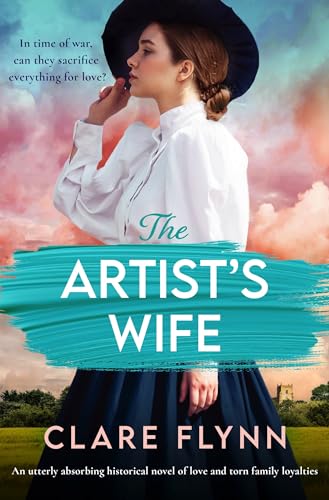
Alice was born into wealth and with that came certain expectations regarding marriage and what was and was not permitted. She refused to marry the man her father has chosen for her and fell in love with Edmund. Although born into the gentrified class, he is a striving artist.
They defy convention by moving to the country together to do their art. Edmund and Alice have no regrets of their chosen path. They are happy in their creative life and work together to create stained glass windows and other art pieces.
The book opens with a visit to Alice by her brother, Victor. He is just back from a long stay in America working for Edmund’s father, a hostile, conniving, greedy man. Bear with me— this really isn’t a soap opera. Victor had been in love with Edmund’s son, Gilbert, who was engaged to Alice. When Gilbert commits suicide, the planned path for all the children fall apart.
Before really knowing Alice, Edmund marries a beautiful social climber and they have a daughter. Edmund can’t abide her and she goes to live with his father who is determined to cut Edmund off from his daughter.
All this aside, we get a real understanding of the social mores of the time. When Britain enters the war, the story explores the impact of the war, the social movements of the time—suffragettes are in full play with their white feathers shaming young men into fighting in the war. Victor disgusted by the man he works for and the death of a lover on the Luisitania, joins up and finds himself in Gallipoli. That part of the book is tragic and very difficult to read but well done.
The book deepened for me as I read on. Alice and Edmund’s struggles as the war comes closer to upending their lives, were deeply felt. While Victor fights at Gallipoli, Edmund, attempts to protect the world they’ve made for themselves. His strong moral compass and protective side become a major conflict within him. He needs to balance duty to country with protecting his family.
Alice is also a great character. She endures a tragedy and does what needs to be done despite the hardships and potential loss she faces.
My main criticism is that given her inner strength and expansive sense of love and duty, her excessive emotion could have been pared back.
Since the book ends in 1916, I am hoping Flynn finishes out the war in her next book of the series. I’ll look forward to reading that.

Clare Flynn has written fourteen historical novels and she has the rhythm down. Although it might be a bit formulaic, if you are interested in a historical back story of war amidst a crumbling class system, it is very readable. Through the lens of grinding poverty of the working class, this is love story of an upper class couple who defied what was expected of them and lived its consequences.
 Reader’s Cafe