
FROZEN RIVER is an absolute page turner. It encompasses many of the elements of what we think of as compelling historical fiction—context, a crime, a trial, a cover up, a disavowal of the rights of women. In its way, it is also a love story. It’s also a tribute to women in history whose lives and achievements are left out of the history books. The protagonist is Martha Ballard, a real midwife and healer who lived and worked in colonial America. The seeds of this story were formed when the author, Ariel Lawhon, discovered her diaries.
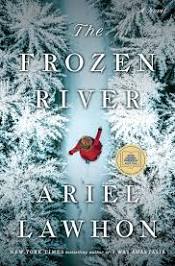
It is 1789. In wintry Maine, a man is found frozen in the Kennebec River. In addition to being a midwife, Martha is her community’s healer and coroner. As such, she is summoned to examine the body and determine his cause of death.
Several months earlier, Martha documented the details of a rape allegedly committed by two of the town’s most respected and powerful men—one of whom was the body pulled from the river. A young Harvard educated physician has recently come to town and he undermines Martha’s findings the man was murdered. He declared the death to be accidental.
This prompts Martha to begin investigating what happened on her own.
Over the course of that winter, Martha pursues the truth. The trial and surrounding scandal highlights the injustice and prejudice of the times, as well as unfairness in the justice system.
Considering the time this is set is important while reading the book. It’s 1789. The constitution is newly ratified. There is no bill of rights yet. Women have no legal standing and men rule with impugnity.
Her diary becomes important in the trial.
Memory is a wicked thing that warps and twists. But paper and ink receive the truth without emotion, and they read it back without partiality. That, I believe, is why so few women are taught to read and write. God only knows what they would do with the power of pen and ink at their disposal.
One of the reasons I liked this book so much is that it didn’t take the easy way out. Although the story is based on a murder that really happened, it would have been easy to paint a black and white portrait of intolerance and lack of equity. But it’s not that. Martha is a complicated character who manages her responsibilities to her community with the same seriousness as her family life. A mother of six surviving children with a loving husband, a victim of an early violent act in her life gives her a doggedness and compassion that drives the book forward. Likewise, many of the other characters are fully drawn.
Martha is a reasoned thinker. She has a great love in her life in Ephraim, her devoted and steadfast husband. But life is not easy and time moves quickly. The real Martha may not have been philosophical in her diaries. They are just the facts. But threaded throughout this story is her loving and intertwined life with Ephraim.They have had a long and loving life together. This quote encapsulates the way Martha views life:
We are in the twilight years of a long love affair, and it has recently occurred to me that a day will come when one of us buries the other. But, I remind myself, that is the happy ending to a story like ours. It is a vow made and kept. Till death do us part. It is the only acceptable outcome to a long and happy marriage, and I am determined not to fear that day, whenever it arrives. I am equally determined to soak up all the days between.
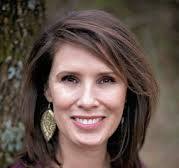
This is not the first Ariel Lawhon book I’ve read. I’d also recommend, I Am Anastasia. There were many imposters claiming to be the daughter of the assassinated Nicholas and Alexandra during the Russian revolution. All were untrue but in this book, Lawhon wrote a fascinating story and did a remarkable job of keeping the reader guessing whether or not she was the real deal to the very end.
Until next time, happy reading!
 Reader’s Cafe