
This novel is a spectacular read. It has themes we are quite familiar with — loss, grief, family trauma, the long reach of slavery into a family’s DNA— but is told with a compelling twist.
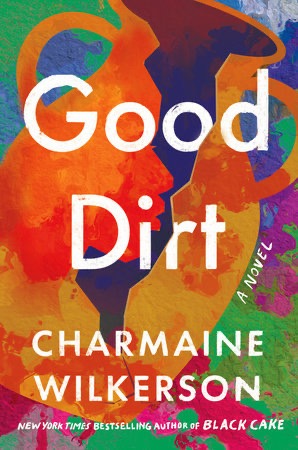
This is not the story we are accustomed to. It is the tale of a well-educated, affluent Black family living in an exclusive residential area on the Connecticut coast. The tropes are familiar yet there are new perspectives. Each of the chapters is told from a different character’s point of view giving the reader a close connection with the thoughts that lie beneath all the action.
The nuclear Freeman family is comprised of Ed and Soh, the parents, murdered son Baz, and daughter Ebby. The book opens when Ebby, given no reason, is jilted on her wedding day. She flees to a village in France and stays at her friend’s house. There is a rental cottage on the property and while she is there, her white ex-fiancé, Henry, shows up for the rental with his new girlfriend, Avery. Ouch! Add insult to injury. But, as much as Ebby struggles, she has an innate confidence in herself and is determined to move forward.
The crisis in the contemporary family’s story occurred when Ebby was still a child, She and her fifteen-year-old brother were home playing hide and seek when two masked gunman broke in. She not only witnessed the horror of her brother’s shooting and death but publicity and speculation that still haunts them.
The way Ebby perceives herself is shaped by this loss.
“There was a moment before and there would be everything after. And in time, Ebby would come to understand her role as the surviving Freeman child. To be uncomplicated, to be successful, to stay alive. She has tried. But now she feels the only way to find any of that is to find a place where she isn’t reminded constantly of what was taken from her.“
The family suffered two major losses that afternoon— Baz’s death and the loss of a large stone mason jar symbolic of the family’s history. The jar was brought to New England by an enslaved ancestor on his flight to freedom from the South. Ebby, understandably traumatized by the murder, still suffers its impact. But reclaiming the jar might be the way she finds her way to a future.
The stories of the slave characters were fully wrought. Willis and Moses became my favorites. The cruel history is there but the personalities and skills of the characters rise above that. The making of pottery was an important skill acquired by slaves. The title of the book, Good Dirt, comes from the basic material of stoneware. The travels up north, the whaling industry, the flight to freedom. All of it was expertly woven into the story and clearly showed the courage, resilience, and forward thinking of every member of this family.
Choosing to tell the story from all points of view was very effective. What Wilkerson has done by this is given the reader entry to this colorful, interesting, resourceful family from past to present.

The story is compelling, its themes significant, and the writing is superb. I haven’t read Wilkerson’s previous novel, Black Cake, but will move it to the top to my list.
Highly recommend.
 Reader’s Cafe