
Newly released this week, this novel is a throwback to the kind of book that made me an avid reader. It’s a Barbara Taylor Bradford Woman of Substance kind of book. The undaunted heroine rises from meager circumstances. With talent, grit, and ambition, she faces many obstacles but becomes successful and climbs the rungs of society. It is a reflection of the circumstances of early twentieth century and Maisie McIntyre is such a character.

Maisie grows up in a hardscrabble neighborhood in early twentieth century Edinburg . Her mother is a seamstress and teaches Maisie to sew. Maisie dreams dress designing and masters their sewing machine. The small apartment becomes even more crowded when her sister, Netta, gets married and begins having children. When Maisie’s mother dies, she finds her savings hidden in a drawer. With the money and a stolen bolt of elegant fabric, she sails to New York and becomes a wealthy, renowned fashion designer.
Threaded through the story is history—the Triangle factory fire, the Depression, two wars—and the social issues of race, sexuality, corruption. Maisie fights her way through it all having success and failure, heartbreak and triumph.
I was immersed in a trip back in time with Maisie, Oti, Joseph, Aiden, Rosa and the rest of the colorful cast.
This novel reinvigorates our understanding of another time in America when immigrants, mainly from Europe, flowed here to escape their untenable lives. There have been four waves of immigration to our country. This third wave was from the 1890s-1919 and was characterized by Europeans.
Although the ethnicities arriving have changed over time, the reasons for coming have always been same—poverty and political persecution. This book is focused on the many hardships they faced — tenement overcrowding, violence, prejudice, language barriers, sanitation—that were no small thing. Assimilation has always been difficult but the diversity has made the country grow and prosper.
I think it’s fair to say the whole concept of a melting pot was more aspirational than real. Immigrants then lived in the same kind of silos we have today. The only mix of ethnicities was fostered principally by poverty and overcrowding in cities. I have no idea if their value to the economy and cultural contributions were acknowledged or understood then.
I don’t think it is now.
But given current policies, we should take a good hard look at our history and think about two things. First, the fact it was always the immigrant population, regardless of where they came from, that have provided the work that underpins our way of life. And secondly, they have given us the rich cultural differences that have made us flourish. We have prospered because we are a country of immigrants. Think of what will happen when that foundation cracks beyond repair.
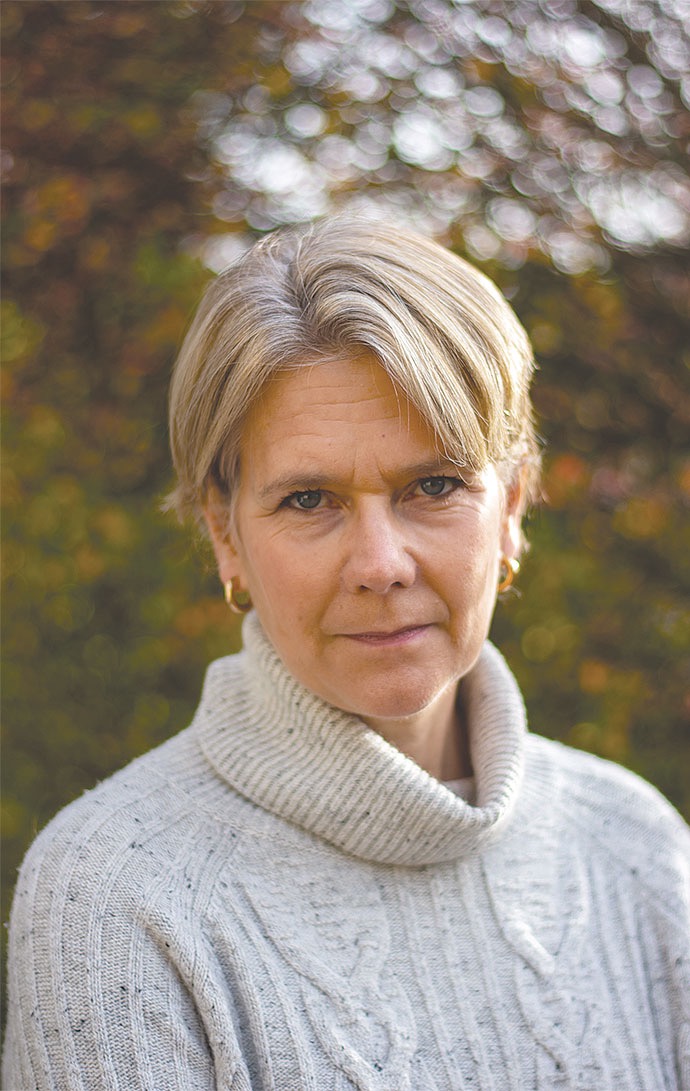
This is Annabelle Marx’s second novel. The first is The Herbalists Secret. She has a varied background. Before becoming a writer, she worked in marketing, event planning and the food business. All her experience contributed to the richness of the book.
Recommend.
 Reader’s Cafe