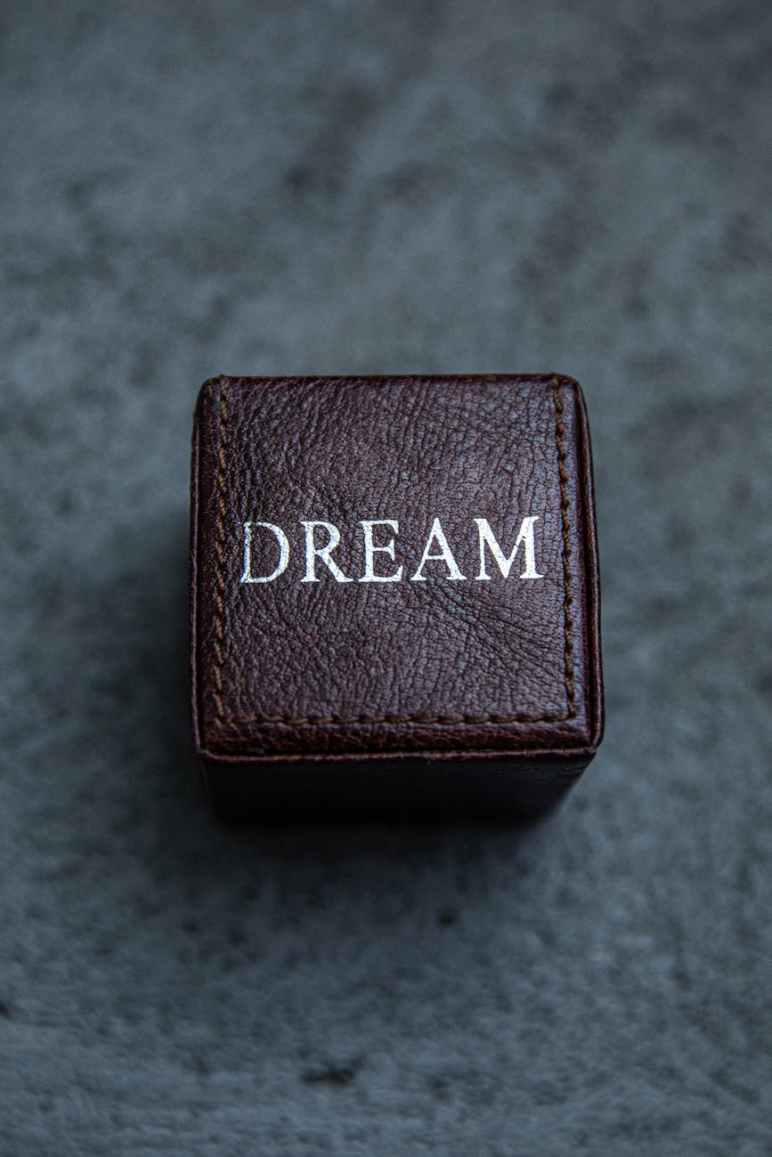
I was completely on edge while reading this book. In the hands of the accomplished Laila Lalami. Dream Hotel imagines an extremely realistic but alarming future. As it unfolded, this version of the near future seemed unbearably possible.

Think of it as a prescient warning of what our future might hold. This story imagines how intrusive the mining of personal data can become. Its unbridled use by business and government could have devastating consequences.
Sara Hussein is a woman whose life requires juggling multiple balls. She is an archivist, a mother of toddler twins, and is for the most part happily married. She had been having trouble sleeping. A working mother with twin babies. Who wouldn’t welcome a harmless device to help deepen the little sleep she was getting. It was a no brainer and decided to have a device implanted that promised to improve and deepen her sleep. Dreamscape, a tech company, marketed this as a sleep aid but is, in fact, sharing its data.
No one was more surprised than Sara. Having skimmed through the agreement, she thought only her length of sleep was being monitored.
Upon returning home to California from a conference in London, Sara is detained at LAX. A Risk Assessment Administrator informs her that using data from her dreams, they have determined her to be a risk to her husband, Elias. It is from this misguided assumption that she is sent for 21 days to Madison, a detention center for dreamers.
Although those in charge insist it is not a prison, it functions that way. Dreamers are accused of minor infractions, rules are fluid and keep changing, and staff cruelty can lengthen the stay. Dreams from the past are parsed in a way that doesn’t reflect truth. As the months pass, Sara is no closer to being released. When she is most desperate, she rebels and takes on the system that has deprived her of her freedom.
Norovirus. California wildfires, the intrusion of artificial intelligence all ground the book in reality. It shows us how even the most convenient use of technology accessed to improve our lives can do the most to restrict our freedom and violate our privacy.
Sara is clear in her thinking.
“A crime isn’t the same as a moral transgression. The law delineates the former, never the latter. I have done nothing wrong, Sara thinks. It’s only the line of legality has moved. Now I’m on the wrong side of it.“
Sara is a well developed, if flawed character. A bit prickly, careful, her better self is slowly unwrapped. The supporting characters are diverse. We see how community forms and disbands under these kinds of conditions. As we get to know them, we can feel the long reach the authorities have taken to upend lives and how it impacts all kinds of families.
I was riveted from page one.
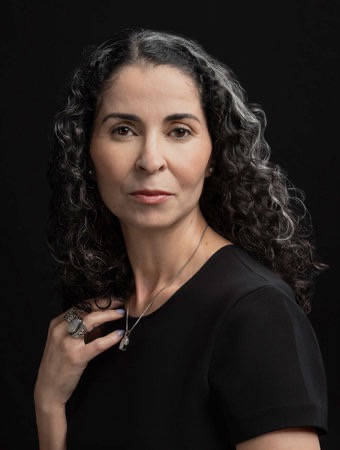
Laila Lalami is the author of five books, including The Moor’s Account, which won the American Book Award, the Arab-American Book Award, and the Hurston/Wright Legacy Award; was on the longlist for the Booker Prize; and was a finalist for the Pulitzer Prize.
I read and enjoyed her most recent novel, The Other Americans. It, too, was a national bestselling award winner. I reviewed it several years ago.That review can be found at: https://jantramontano.com/2020/05/21/accident-or-hate-crime-the-other-americans-by-laila-lalami/
Highly recommend.
Many thanks to Netgalley and Pantheon for the opportunity to honestly review this advanced reading copy.
 Reader’s Cafe
I saw her when she was at the Writers Institute at the end of March, & I just got the book from the Library. Among the things she said, “creativity is a way of resistance,” & “we aren’t powerless, we each have whole sets of powers that can be joined with others to be more powerful.” I’ll be reading it on the train to Philadelphia.
LikeLiked by 1 person
Sorry. I just saw this and I hope you liked the book.
I love this! Creativity has and always will be a way of resistance. And I’d venture to say, your life’s work! Hope you are well and we get together sometime soon. Jan xo
LikeLike